Ultimate Guide to Vegetable Side Dishes: Transform Every Meal with These Flavorful Recipes
Do you remember that moment when a simple side dish stole the show at dinner? Maybe it was your grandmother’s roasted Brussels sprouts that somehow tasted like pure comfort, or those caramelized carrots at a holiday feast that had everyone asking for seconds. That pivotal realization hits differently when you discover that vegetable side dishes aren’t just an afterthought—they’re the secret weapon that can elevate any meal from ordinary to extraordinary.
For years, you’ve probably watched vegetables get pushed to the edge of plates, neglected and underappreciated. But here’s what changes everything: with the right techniques and a dash of creativity, your vegetable side dishes become the star attraction. They’re the colorful, nutritious heroes that bring balance, flavor, and genuine excitement to your table. Whether you’re cooking for picky eaters, health-conscious friends, or simply trying to incorporate more vegetables into your family’s diet, this comprehensive guide will revolutionize the way you approach sides forever.
Table of Contents
Why Vegetable Side Dishes Deserve Your Attention
The Nutritional Foundation of Balanced Eating
Your plate tells a story about your health priorities, and vegetable side dishes write some of the most important chapters. These nutrient-dense companions deliver essential vitamins, minerals, and fiber that your body craves for optimal functioning. When you incorporate diverse vegetables into your meals, you’re not just adding color—you’re building a foundation for long-term wellness.
Consider the nutritional powerhouse sitting on your cutting board. Dark leafy greens like spinach and kale provide iron and vitamin K for bone health. Cruciferous vegetables such as broccoli and cauliflower contain compounds that support your body’s natural detoxification processes. Orange and red vegetables deliver beta-carotene for eye health and immune function. The Centers for Disease Control recommends consuming 2-3 cups of vegetables daily, and creative side dishes make reaching that goal feel less like a chore and more like a celebration.
Creating Harmony on Your Plate
Think about your favorite restaurant meals. The magic doesn’t happen with just the protein—it’s the thoughtful pairing of complementary flavors, textures, and temperatures that creates an unforgettable dining experience. Your vegetable side dishes play this crucial supporting role at home, balancing rich main courses with fresh brightness, cutting through heavy sauces with crisp textures, and adding visual appeal that makes meals Instagram-worthy (and appetite-triggering).
When you master the art of pairing sides with mains, your cooking reaches new heights. A perfectly grilled steak becomes transcendent alongside garlicky roasted asparagus. Your Sunday roast chicken sings when accompanied by honey-glazed carrots. Even simple weeknight pasta transforms into something special with a side of lemony sautéed greens.
Essential Techniques That Change Everything
Roasting: Your Secret Weapon for Flavor
Roasting might be the single most transformative technique in your vegetable-cooking arsenal. High heat caramelizes the natural sugars in vegetables, creating those irresistible crispy edges and deep, complex flavors that convert even the most skeptical eaters.
Your foolproof roasting formula starts with these fundamentals:
- Temperature matters: Set your oven between 400-425°F for optimal caramelization
- Oil is essential: Use 1-2 tablespoons per pound of vegetables to encourage browning
- Space creates crispness: Overcrowded pans steam instead of roast—give your vegetables room to breathe
- The flip technique: Turn vegetables halfway through cooking for even golden perfection
- Timing varies: Dense vegetables like root vegetables need 30-40 minutes, while tender vegetables like asparagus require just 15-20 minutes
This straightforward method works brilliantly with Brussels sprouts, broccoli, cauliflower, carrots, sweet potatoes, bell peppers, and countless other vegetables. Once you’ve mastered basic roasting, you’ll find yourself reaching for the sheet pan by default.
Quick Sautéing for Busy Weeknights
When time pressures threaten your dinner plans, sautéing saves the day. This rapid cooking method preserves nutrients while developing flavor through the Maillard reaction—that magical browning process that creates depth and complexity.
Your sautéing success depends on proper heat management and preparation. Cut vegetables into uniform pieces so everything cooks evenly. Heat your pan until it’s properly hot before adding oil. Use aromatics like garlic, ginger, or shallots to build a flavor foundation. Keep vegetables moving in the pan, and don’t walk away—sautéing happens quickly.
Green beans, snap peas, bell peppers, mushrooms, zucchini, and leafy greens all excel with this technique. Within 10-15 minutes, you’ll have a vibrant vegetable side dish that complements any protein.
Recipe Showcase: Three Game-Changing Vegetable Side Dishes
Perfect Roasted Garlic Parmesan Broccoli
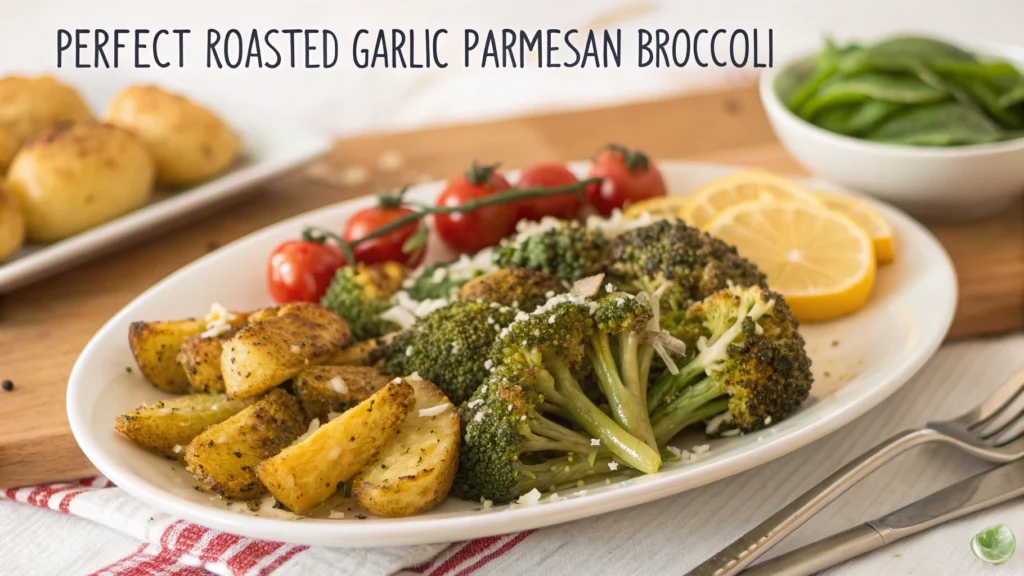
This crowd-pleasing dish proves that simplicity wins hearts. The combination of caramelized edges, savory garlic, and nutty Parmesan creates layers of flavor that make broccoli disappear from serving bowls in minutes.
Ingredients:
| Ingredient | Quantity | Notes |
|---|---|---|
| Broccoli florets | 1 lb | Cut into even, bite-sized pieces |
| Extra virgin olive oil | 2 tbsp | Don’t skimp on quality here |
| Garlic cloves | 4 | Minced finely |
| Parmesan cheese | ½ cup | Freshly grated works best |
| Salt | ½ tsp | Adjust to your preference |
| Black pepper | ¼ tsp | Freshly ground recommended |
| Fresh lemon juice | 1 tbsp | Brightens the entire dish |
| Red pepper flakes | Pinch | Optional but adds nice heat |
Your preparation steps:
Start by preheating your oven to 425°F—this high temperature is non-negotiable for achieving those crispy edges. Toss your broccoli florets with olive oil, minced garlic, salt, and pepper in a large bowl, ensuring every piece gets coated. Spread everything onto a baking sheet in a single layer, avoiding any overlap that would cause steaming instead of roasting.
Roast for 18-22 minutes, watching for those telltale brown, crispy edges. Remove from the oven and immediately sprinkle with freshly grated Parmesan cheese. Return the pan to the oven for 2-3 minutes until the cheese melts and begins to turn golden. Finish with a bright squeeze of fresh lemon juice just before serving.
The lemon juice is your secret ingredient here—it cuts through the richness and brings all the flavors into sharp, delicious focus.
Honey Balsamic Glazed Carrots
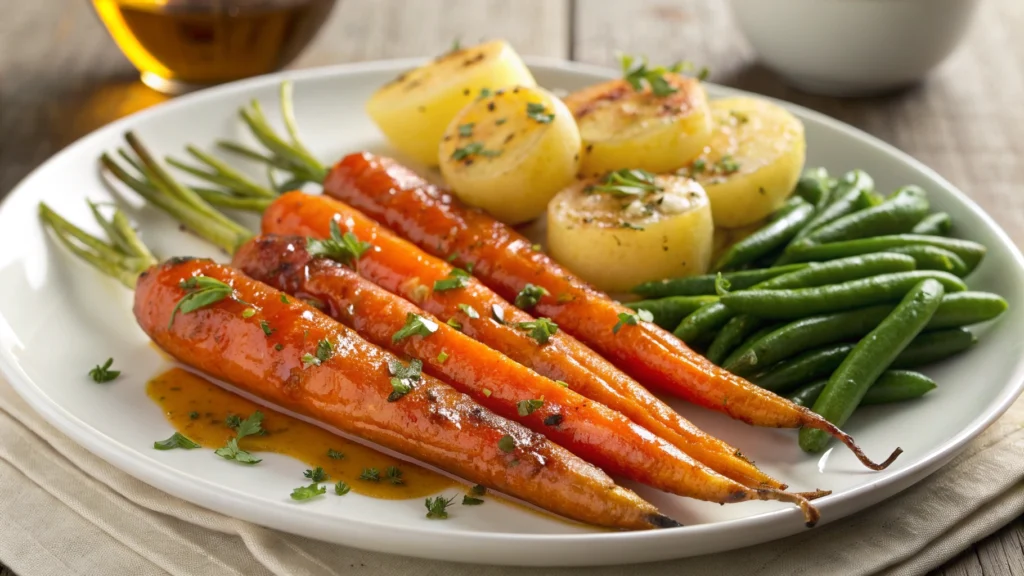
Sweet, tangy, and utterly addictive, these glazed carrots represent everything vegetable side dishes should be: simple to prepare, beautiful to look at, and impossible to resist. The glaze transforms humble carrots into something special enough for holiday tables while remaining easy enough for Tuesday dinners.
What you’ll need:
| Ingredient | Quantity | Notes |
|---|---|---|
| Baby carrots | 1.5 lbs | Regular carrots work too—just slice them |
| Pure honey | 3 tbsp | Local honey adds extra character |
| Balsamic vinegar | 2 tbsp | Quality matters here |
| Unsalted butter | 2 tbsp | Adds richness and shine |
| Fresh thyme | 2 sprigs | Dried works in a pinch (½ tsp) |
| Salt | ¼ tsp | |
| Black pepper | ⅛ tsp |
How to create this dish:
Place your carrots in a large skillet with enough water to barely cover them. Bring to a boil, then reduce to a simmer until the carrots become tender but not mushy—about 8-10 minutes. This pre-cooking step ensures the glaze adheres properly and the carrots develop the perfect texture.
Drain the water completely, then add honey, balsamic vinegar, butter, thyme, salt, and pepper to the same pan. Cook over medium-high heat, stirring frequently, until the liquid reduces into a thick, glossy glaze that coats the carrots beautifully. This concentration process usually takes 5-7 minutes and fills your kitchen with an intoxicating aroma.
The magic happens when the glaze reaches that perfect consistency—thick enough to cling but not so thick it becomes sticky. You’ll know you’ve nailed it when the carrots glisten under the light.
Crispy Smashed Brussels Sprouts
This technique takes Brussels sprouts from “fine” to “phenomenal.” The smashing creates multiple surfaces for crisping, while the high heat caramelizes the edges into something almost bacon-like in their savory appeal.
Gather these ingredients:
| Ingredient | Quantity | Notes |
|---|---|---|
| Brussels sprouts | 1.5 lbs | Trimmed and halved |
| Olive oil | 3 tbsp | |
| Garlic powder | 1 tsp | Fresh minced garlic works too |
| Bacon bits | ¼ cup | Optional but highly recommended |
| Balsamic reduction | 2 tbsp | For drizzling at the end |
| Shredded Parmesan | ¼ cup | |
| Salt | ½ tsp |
Your cooking process:
Begin by boiling your halved Brussels sprouts in salted water for about 6-8 minutes until they’re just tender enough to pierce with a fork. Drain thoroughly and let them cool slightly—this step is crucial because excess moisture prevents proper crisping.
Preheat your oven to 425°F and drizzle a baking sheet with olive oil. Place the Brussels sprouts cut-side down on the sheet, then use the bottom of a glass or sturdy cup to gently smash each one until it’s about ½-inch thick. Drizzle with additional olive oil and season with garlic powder, salt, and bacon bits if you’re using them.
Roast for 20-25 minutes without disturbing them—patience here rewards you with maximum crispiness. The bottoms should turn deeply golden and crispy. Finish with Parmesan cheese and a drizzle of balsamic reduction for a sophisticated touch that makes these Brussels sprouts worthy of any special occasion.
Common Mistakes You Need to Avoid
The Overcooking Trap
Mushy vegetables don’t win converts. You want your vegetable side dishes to maintain some textural integrity—that satisfying bite that makes eating them enjoyable rather than something to endure. Pay attention to cooking times, test for doneness regularly, and remember that vegetables continue cooking even after you remove them from heat. When in doubt, slightly undercook rather than overcook.
The Under-Seasoning Epidemic
This mistake sabotages more vegetable side dishes than any other. Salt doesn’t just make food salty—it enhances and brightens all the other flavors present. Season your vegetables before cooking, taste during cooking, and adjust at the end. Layer in other flavor builders: garlic, herbs, citrus zest, cheese, and good-quality fats. Your vegetables can handle bold flavors, so don’t hold back.
Ignoring Cooking Method Selection
Not every vegetable thrives with every technique. Delicate asparagus becomes limp and sad when braised but shines when quickly roasted or grilled. Dense root vegetables need time and heat, while tender greens require just a quick sauté. Match your method to the vegetable’s characteristics, and your results will improve dramatically.
Planning Your Vegetable Side Dishes Like a Pro
The Art of Pairing
Creating memorable meals requires thinking about how everything on the plate works together. Rich, heavy main dishes call for bright, light vegetable sides that provide contrast. If you’re grilling your protein, consider roasting or steaming your vegetables to vary the cooking methods. Color matters too—a monochromatic plate feels less appealing than one with vibrant variety.
Consider these winning combinations:
- Grilled ribeye steak pairs beautifully with lemony roasted asparagus
- Pan-fried chicken breast comes alive alongside honey-glazed carrots
- Baked salmon finds its perfect match in dill-roasted potatoes
- Creamy pasta dishes benefit from simple sautéed spinach with garlic
Batch Cooking for Efficiency
Your future self will thank you for preparing vegetable side dishes in advance. Many roasted vegetables taste delicious at room temperature or can be quickly reheated. Invest Sunday afternoon in washing, chopping, and cooking several vegetable sides for the week. Store them properly in airtight containers, and you’ll have healthy, homemade options ready when weeknight chaos strikes.
Root vegetables hold up particularly well over several days. Roasted broccoli, cauliflower, and Brussels sprouts maintain their appeal when stored correctly. Leafy greens fare better when cooked fresh, but you can still wash and prep them in advance for lightning-fast cooking.
Frequently Asked Questions About Vegetable Side Dishes
What are the healthiest vegetable side dishes?
Your healthiest options focus on minimal processing and maximum nutrient retention. Steamed or lightly roasted vegetables without heavy sauces preserve the most vitamins and minerals. Consider dishes like steamed broccoli with lemon, roasted Brussels sprouts, sautéed leafy greens, or raw vegetable crudités. The key involves choosing cooking methods that maintain nutritional value while adding minimal fat and sodium.
How do I make vegetable side dishes taste better?
Your secret lies in proper seasoning and cooking techniques. Always salt vegetables adequately, use high heat for caramelization when roasting, add aromatic ingredients like garlic and fresh herbs, incorporate healthy fats such as olive oil or butter, and finish with bright acids like lemon juice or vinegar. Don’t fear bold flavors—vegetables can absolutely handle them.
Can I prepare vegetable side dishes in advance?
Absolutely! Many vegetable side dishes welcome advance preparation. You can wash, chop, and store raw vegetables 1-2 days ahead. Some roasted vegetables reheat beautifully. Dishes like gratins, casseroles, and braised vegetables often taste even better the next day after flavors have melded. For optimal results, store components separately and assemble just before serving.
What vegetable side dishes go with chicken?
Chicken’s mild flavor pairs beautifully with nearly all vegetable side dishes. Popular combinations include roasted asparagus, garlic green beans, honey-glazed carrots, mashed cauliflower, grilled zucchini, Brussels sprouts with bacon, sweet potato fries, sautéed spinach, corn on the cob, and roasted root vegetables. Consider your chicken’s preparation method and choose complementary flavors.
Are frozen vegetables good for side dishes?
Frozen vegetables work wonderfully for side dishes! They’re picked and frozen at peak freshness, which actually preserves nutrients effectively. They excel in steamed, sautéed, and roasted preparations. Frozen green beans, broccoli, cauliflower, peas, and corn prove particularly versatile. They’re budget-friendly and eliminate food waste since they don’t spoil quickly.
What are quick vegetable side dishes for busy weeknights?
Quick options include sautéed spinach with garlic (5 minutes), steamed broccoli with lemon (8 minutes), roasted asparagus (12 minutes), stir-fried snow peas (10 minutes), and frozen mixed vegetables with butter and herbs (8 minutes). Focus on techniques that deliver maximum flavor with minimal time investment, and your weeknight dinners will never feel rushed or incomplete.
How do I season vegetable side dishes properly?
Start with salt and pepper as your foundation, then build complexity through layers. Add aromatic vegetables like garlic, onions, or shallots during cooking. Incorporate fresh or dried herbs that complement your main dish. Use healthy fats to carry flavors, and finish with an acid component like lemon juice or vinegar to brighten everything. Taste throughout the cooking process and make adjustments before plating.
What are the best vegetable side dishes for weight loss?
Focus on non-starchy vegetables prepared with minimal added fats for weight loss success. Steamed broccoli, roasted Brussels sprouts, sautéed leafy greens, cauliflower rice, zucchini noodles, grilled vegetables, cucumber salad, and roasted asparagus all provide high fiber and nutrients while keeping calories in check. These vegetable side dishes keep you satisfied while supporting your wellness goals.
Your Next Steps: Transform Your Cooking Today
You now possess everything you need to create vegetable side dishes that steal the spotlight at every meal. The techniques are straightforward, the recipes are tested, and the results will speak for themselves. But knowledge only transforms into results when you take action.
Start tonight. Choose one recipe from this guide—maybe those crispy roasted Brussels sprouts or the honey-glazed carrots that caught your eye. Gather your ingredients, turn on some music, and enjoy the process of creating something delicious. Notice how your kitchen fills with mouthwatering aromas. Watch the transformation as raw vegetables become golden, caramelized perfection.
Share your creation. When family or friends taste your vegetable side dishes and reach for seconds (and they will), you’ll understand the satisfaction that comes from elevating simple ingredients into something memorable. Take a photo, post it online, tag your foodie friends, and inspire them to prioritize vegetables too.
Your relationship with vegetables is about to change forever. Those neglected afterthoughts become the dishes everyone requests, the recipes you’re known for, the sides that complete your meals perfectly. Each time you roast, sauté, or steam vegetables with intention and care, you’re investing in your health, pleasing your palate, and proving that eating well tastes extraordinary.
The vegetables are waiting. Your sheet pan is ready. Your kitchen is calling. What vegetable side dish will you create first?
Did You Try Our Recipe ?
There are no reviews yet. Be the first one to write one.