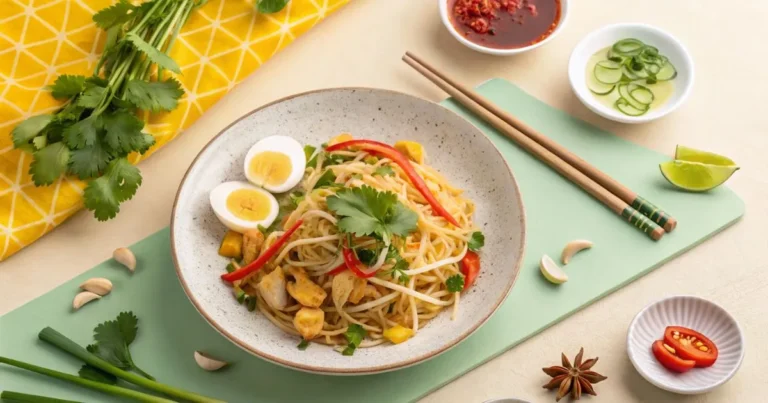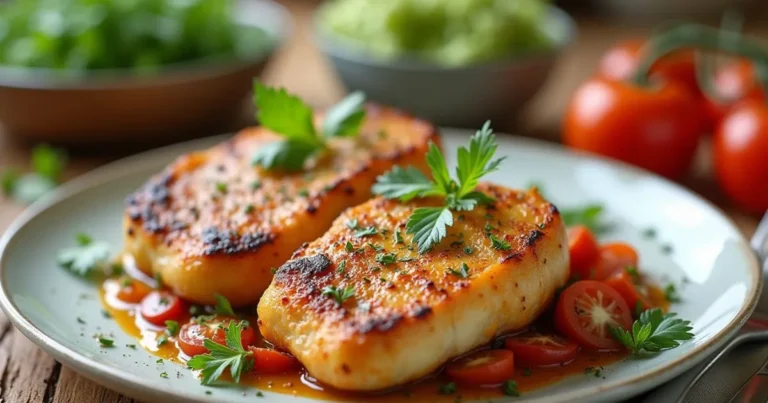
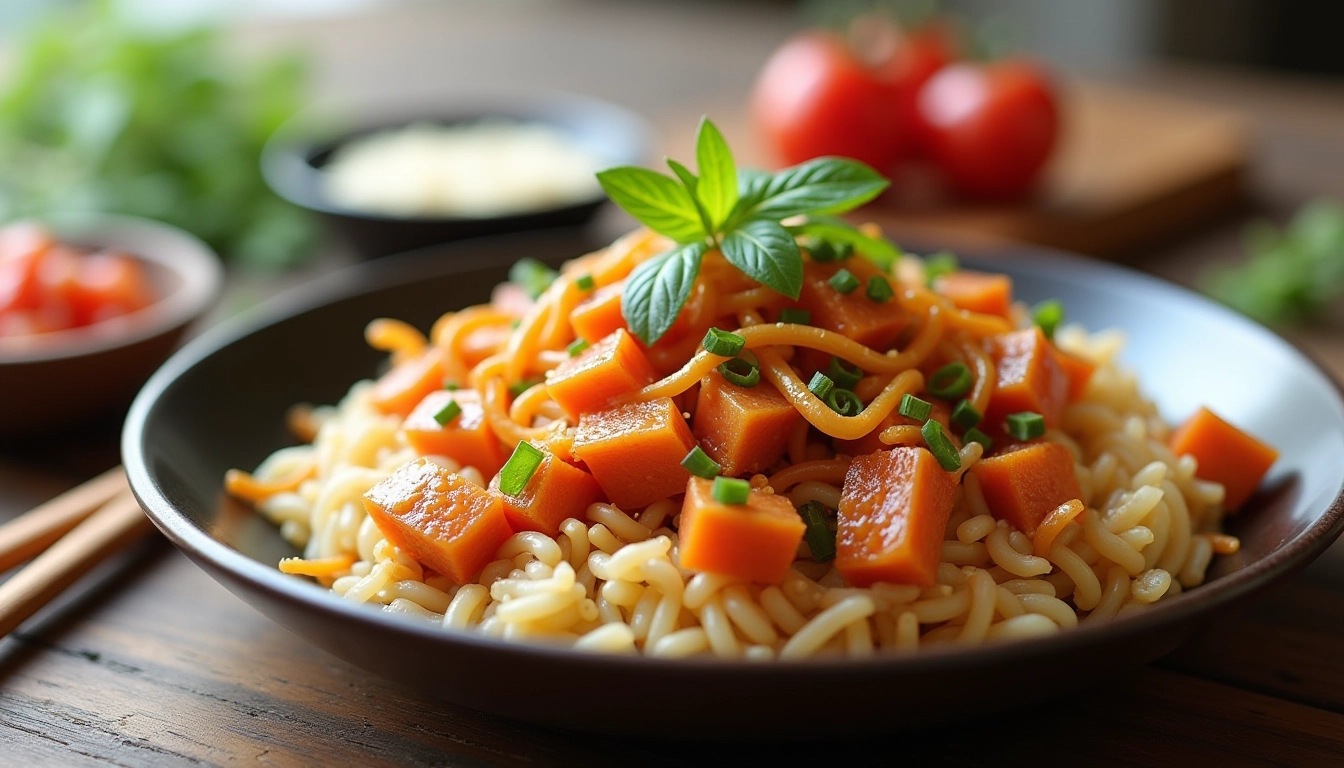
Easy Asian Dishes Recipes: 15 Simple and Delicious Meals You Can Make at Home Tonight
Picture this: You’re standing in your kitchen after a long day, craving those incredible flavors from your favorite Asian restaurant. The aromatic ginger, the perfectly balanced sweet and savory notes, the satisfying warmth of a steaming bowl of noodles. Your stomach growls just thinking about it. But then reality hits – ordering takeout again means another expensive meal, mysterious ingredients, and that nagging feeling that you could make something healthier at home.
Here’s the truth nobody tells you: The dishes you love aren’t reserved for professional chefs with decades of training. Those seemingly complex flavors? They come from simple pantry staples you can grab at any grocery store. That intimidating wok technique? It’s just high heat and confidence. I spent years convinced that recreating restaurant-quality Asian food was beyond my capabilities, until one evening when I decided to stop making excuses and start experimenting.
What I discovered changed everything. The recipes passed down through generations across Asia weren’t complicated culinary puzzles – they were practical, weeknight-friendly meals designed for busy home cooks just like you. Today, you’re going to learn exactly how to bring those flavors into your own kitchen, transforming simple ingredients into extraordinary meals your whole family will request again and again.
Table of Contents
Why Easy Asian Dishes Recipes Are Perfect for Home Cooks
The Benefits of Cooking Asian Cuisine at Home
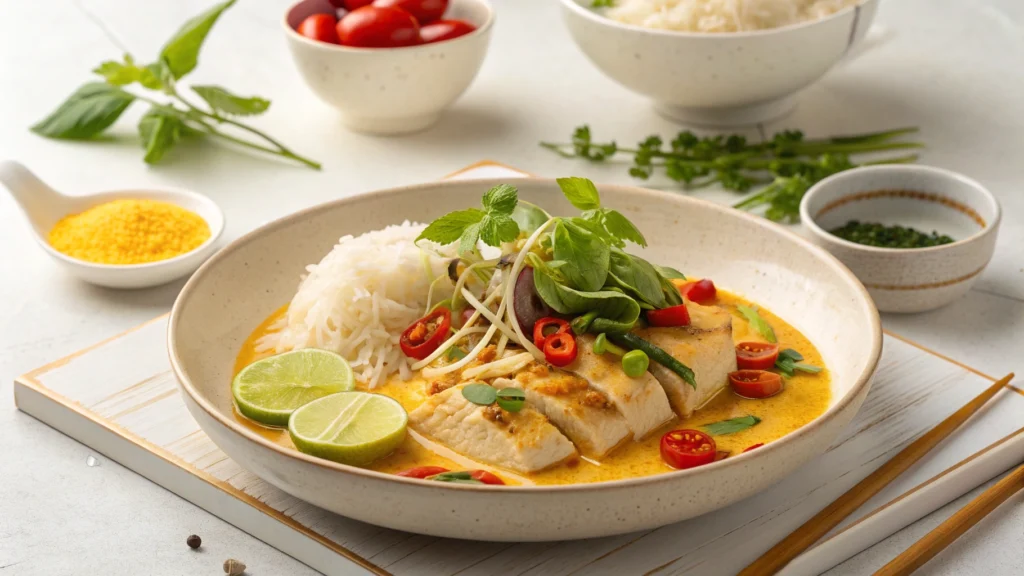
Your decision to master Asian cooking at home delivers benefits that extend far beyond saving money. When you control what goes into your meals, you’re choosing fresh vegetables, quality proteins, and the exact amount of sodium and sugar. Unlike restaurant versions swimming in excess oil and sodium, your homemade versions nourish your body while delivering authentic taste.
The financial impact surprises most people. That $14 pad thai you order? You can recreate it for roughly $3.50 per serving. Cook Asian meals twice weekly, and you’ll pocket an extra $900 annually – money that could fund a real trip to Asia instead of just dreaming about it.
Speed matters too. Most Asian recipes follow a similar pattern: high heat, quick cooking, bold flavors. Your chicken fried rice takes 15 minutes from start to finish. Your teriyaki bowl? Twenty minutes, including marinating time. These aren’t all-day cooking projects requiring constant attention.
Essential Pantry Staples for Easy Asian Dishes Recipes
Your Asian cooking foundation starts with smart pantry organization. Stock these essentials, and you’ll always be thirty minutes away from an incredible meal:
Sauces and condiments form your flavor base:
- Soy sauce in both light and dark varieties
- Rice vinegar for acidity and brightness
- Toasted sesame oil for finishing touches
- Oyster sauce bringing umami depth
- Fish sauce adding complexity to Thai dishes
- Sriracha or chili garlic sauce for heat
Fresh aromatics provide foundation flavors:
- Ginger root (store in the freezer and grate frozen)
- Garlic cloves (buy pre-peeled to save time)
- Green onions for garnish and flavor
- Fresh cilantro when available
Pantry staples round out your arsenal:
- Jasmine rice or short-grain rice
- Rice wine or mirin for authenticity
- Cornstarch for velveting meat and thickening sauces
- Neutral cooking oil with high smoke point
Your initial investment runs about $45-55 for these items, but they’ll last months. Break down the cost per meal, and you’re looking at pennies per serving for ingredients that transform ordinary chicken and vegetables into restaurant-worthy creations.
15 Easy Asian Dishes Recipes to Master Today
Classic Chicken Fried Rice – A Beginner’s Favorite
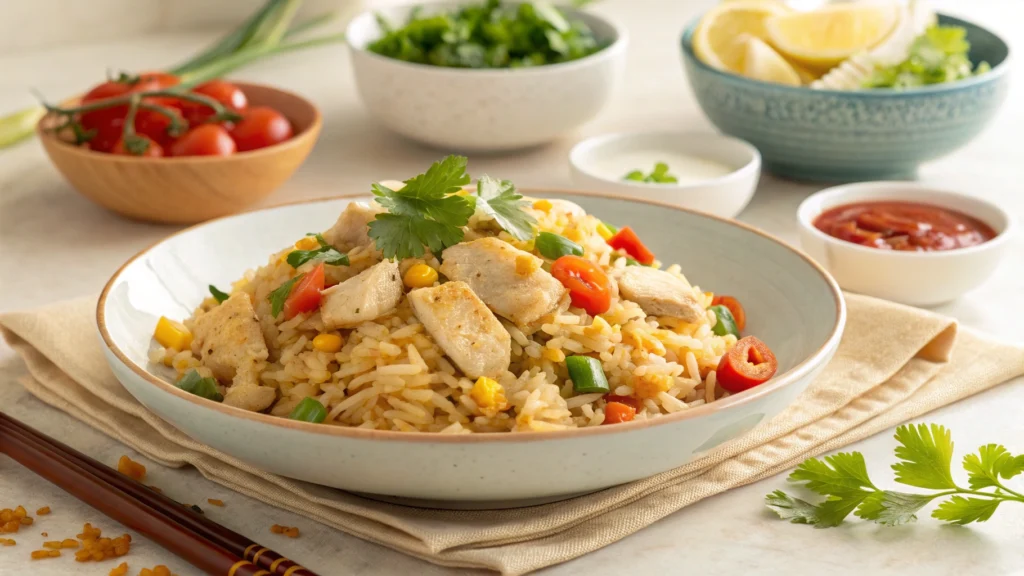
Let’s start with the recipe that builds your confidence: fried rice. This dish teaches you the fundamental technique underlying countless Asian recipes – the art of high-heat cooking in a wok or large skillet.
Your ingredient list stays refreshingly simple:
| Ingredient | Quantity | Pro Tips |
|---|---|---|
| Day-old cooked rice | 4 cups | Cold rice prevents mushiness |
| Chicken breast, diced | 2 cups | Thighs work beautifully too |
| Eggs | 3 large | Scramble separately first |
| Mixed vegetables | 2 cups | Frozen works perfectly |
| Soy sauce | 3 tablespoons | Start with less, add more |
| Sesame oil | 1 tablespoon | Add at the very end |
| Minced garlic | 3 cloves | Fresh makes a difference |
| Sliced green onions | 4 stalks | Save some for garnish |
| Vegetable oil | 2 tablespoons | High smoke point essential |
Your cooking process flows smoothly:
Heat your largest skillet or wok over high heat until it’s almost smoking. Add oil, swirl to coat, then scramble your eggs quickly and set them aside. Next, cook your chicken pieces until golden brown – this develops flavor through caramelization. Toss in vegetables and garlic, stirring constantly for two minutes.
Now comes the magic moment. Add your cold rice, breaking up any clumps with your spatula. Press it against the hot pan for a few seconds, then toss. Repeat this process, creating those crispy rice bits that make restaurant fried rice so addictive. Drizzle in soy sauce, fold in your cooked eggs, and finish with sesame oil and green onions.
The secret restaurants won’t tell you? Day-old rice is non-negotiable. Freshly cooked rice contains too much moisture and turns mushy under high heat. Plan ahead by cooking rice the night before, or spread fresh rice on a baking sheet and refrigerate for an hour to dry it out.
20-Minute Pad Thai – Restaurant Quality Made Simple
Pad Thai intimidates many home cooks, but you’re about to discover it’s actually one of the most forgiving recipes in the Asian repertoire. The key lies in preparation – have everything ready before you turn on the heat.
Your ingredients come together quickly:
| Ingredient | Quantity | Important Notes |
|---|---|---|
| Pad thai rice noodles | 8 ounces | Soak while prepping |
| Shrimp or chicken | 1 pound | Pat completely dry |
| Eggs | 2 large | Room temperature |
| Fresh bean sprouts | 1 cup | Rinse and drain |
| Tamarind paste | 2 tablespoons | This is your secret weapon |
| Fish sauce | 3 tablespoons | Provides authentic depth |
| Palm or brown sugar | 2 tablespoons | Balances the saltiness |
| Minced garlic | 3 cloves | Crushed works too |
| Crushed peanuts | ¼ cup | Dry roasted preferred |
| Fresh lime wedges | For serving | Don’t skip this |
| Chopped chives | ¼ cup | Green onions substitute fine |
Start by soaking your noodles in room-temperature water for twenty minutes while you prepare everything else. Mix your sauce components – tamarind paste, fish sauce, and sugar – in a small bowl. This combination creates that distinctive sweet-sour-salty profile that defines authentic pad thai.
Heat your wok until very hot, add oil, and quickly cook your protein until just done. Push it to the side, crack in your eggs, and scramble them in the center. Add drained noodles and your prepared sauce, tossing everything together for two minutes until the noodles are tender and glossy. Toss in bean sprouts and chives, cook for thirty seconds more, then serve immediately with crushed peanuts, lime wedges, and extra bean sprouts on the side.
Your pad thai should taste bright, complex, and slightly sweet with a pleasant tang. Too salty? Add more sugar. Too sweet? Squeeze more lime. This recipe forgives adjustments and actually improves when you customize it to your preferences.
Teriyaki Chicken Bowl – Sweet, Savory, and Simple
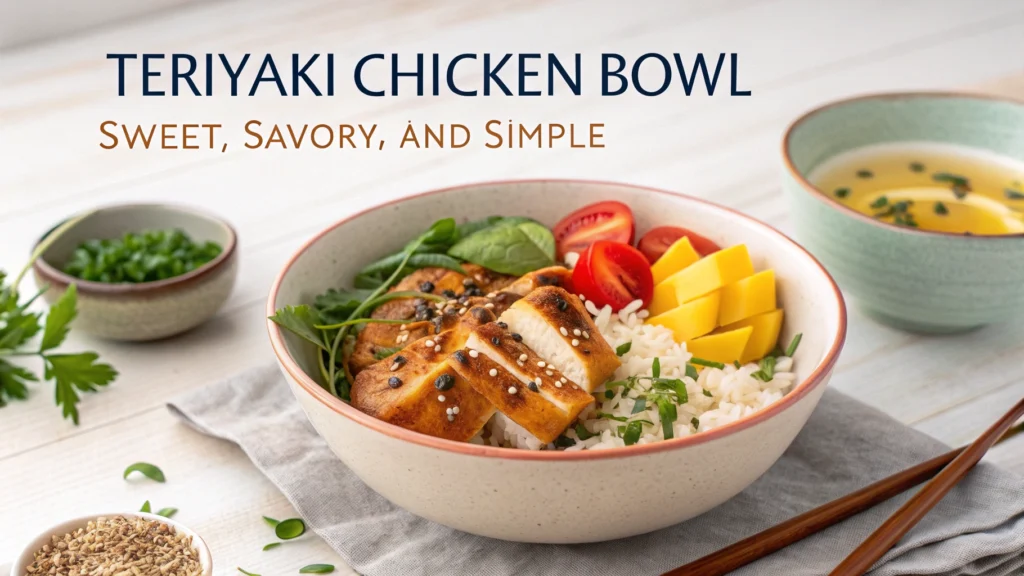
Teriyaki represents Japanese home cooking at its most accessible. You’re creating a glaze so delicious, you’ll find yourself making extra just to keep in your refrigerator for quick weeknight meals.
Your ingredient lineup delivers big flavor:
| Ingredient | Quantity | Why It Matters |
|---|---|---|
| Boneless chicken thighs | 1.5 pounds | Juicier than breasts |
| Soy sauce | ⅓ cup | Foundation of teriyaki |
| Mirin | ¼ cup | Sweet rice wine adds depth |
| Brown sugar | 2 tablespoons | Creates glossy finish |
| Grated fresh ginger | 1 tablespoon | Brightens the sauce |
| Minced garlic | 2 cloves | Aromatic base note |
| Cornstarch | 1 teaspoon | Thickens beautifully |
| Sesame seeds | 1 tablespoon | Nutty garnish |
| Steamed rice | 4 cups | Foundation for the bowl |
| Steamed broccoli | 2 cups | Adds nutrition and color |
Combine soy sauce, mirin, sugar, ginger, and garlic in a bowl – this is your teriyaki marinade and cooking sauce. Pour half over your chicken and let it sit for twenty minutes. While your chicken marinates, prepare your rice and steam your vegetables.
Heat a large skillet over medium-high heat, add a touch of oil, and cook your marinated chicken until beautifully caramelized on both sides and cooked through. Remove the chicken and set it aside. Pour the remaining marinade into the pan along with cornstarch mixed with a tablespoon of water. Simmer until the sauce thickens into a glossy glaze, then return your chicken to the pan and coat it completely.
Slice your chicken, arrange it over steamed rice alongside your vegetables, drizzle with extra teriyaki sauce, and sprinkle with sesame seeds. This meal delivers protein, vegetables, and complex carbohydrates in one balanced, satisfying bowl that rivals anything you’d pay $13 for at a restaurant.
Korean-Inspired Spicy Beef – Bold Flavors in Minutes
Korean cuisine brings bold, assertive flavors that wake up your taste buds. This simplified version of bulgogi uses ground beef for speed without sacrificing that characteristic sweet-spicy-savory profile.
Here’s what you need:
| Ingredient | Quantity | Cooking Notes |
|---|---|---|
| Ground beef | 1 pound | 80/20 blend ideal |
| Soy sauce | ¼ cup | Low-sodium works |
| Sesame oil | 2 tablespoons | Powerful flavor |
| Brown sugar | 3 tablespoons | Authentic sweetness |
| Gochujang paste | 1-2 tablespoons | Adjust for heat preference |
| Minced ginger | 1 teaspoon | Fresh preferred |
| Minced garlic | 4 cloves | Don’t skimp here |
| Sliced green onions | 4 stalks | Add at the end |
| Sesame seeds | 1 tablespoon | Toasted if possible |
Brown your ground beef in a large skillet over medium-high heat, breaking it into small pieces as it cooks. While the meat browns, whisk together soy sauce, sesame oil, sugar, gochujang, ginger, and garlic in a bowl. This sauce packs serious flavor intensity.
Once your beef is fully cooked, drain excess fat if necessary, then pour in your prepared sauce. Stir everything together and let it simmer for three to four minutes until the sauce reduces and coats the meat with a glossy sheen. The sugar caramelizes slightly, creating depth and complexity.
Serve this over steamed rice, in lettuce wraps, or even stuffed into tacos. Top with green onions and sesame seeds. The gochujang brings fermented complexity and heat – start with one tablespoon if you’re heat-sensitive, or go bold with two tablespoons for authentic Korean spice levels.
Essential Cooking Techniques for Easy Asian Dishes Recipes
Mastering High-Heat Cooking
Your success with Asian cooking hinges on understanding heat. Western cooking often uses medium heat and longer cooking times. Asian techniques flip this completely – you’re using high heat and quick cooking times that seal in moisture and create texture through caramelization.
When your pan isn’t hot enough, food steams instead of sears. Vegetables turn limp and watery. Proteins toughen instead of developing that beautiful golden exterior. You’ll know your pan is ready when a drop of water immediately sizzles and evaporates on contact.
Keep ingredients moving constantly. The Chinese cooking technique called “bao” involves tossing food in the wok with a flicking motion. You don’t need fancy wok-tossing skills – simply use a spatula to keep everything in motion, preventing burning while ensuring even cooking.
Achieving Perfect Rice Every Time
Rice forms the foundation of countless Asian meals, yet many home cooks struggle with it. Your rice should be fluffy with distinct grains, never mushy or sticky (unless you’re specifically making sticky rice).
Follow these ratios for different rice varieties:
- Jasmine rice: 1 cup rice to 1.5 cups water
- Short-grain rice: 1 cup rice to 1.25 cups water
- Brown rice: 1 cup rice to 2 cups water
Rinse your rice thoroughly before cooking. This removes excess starch that causes gumminess. Rinse until the water runs relatively clear – usually three to four rinses does the trick.
For stovetop cooking, bring water and rice to a boil, then immediately reduce to the lowest heat setting, cover tightly, and don’t peek for fifteen minutes. After cooking, let the rice rest off heat for five minutes before fluffing with a fork.
Knife Skills That Save Time
Your prep work determines your cooking success. Asian cooking moves fast, leaving no time for chopping while you cook. Prepare everything before you turn on any burners.
Master these essential cuts:
Julienne creates matchstick-sized pieces perfect for stir-fries. Stack your vegetable slices and cut into thin strips. This uniform size ensures even cooking.
Slice proteins against the grain in thin pieces. This shortens the muscle fibers, creating tender bites instead of chewy ones. Partially freeze meat for twenty minutes before slicing – it firms up and slices more easily.
Mince garlic and ginger finely for even distribution throughout your dish. A microplane grater works beautifully for ginger, creating a paste that disperses flavor without chunks.
Time-Saving Tips for Easy Asian Dishes Recipes
Meal Prep Strategies That Work
Your weeknight cooking becomes effortless when you prep components ahead. Dedicate one hour on Sunday afternoon, and you’ll have dinner on the table in fifteen minutes all week.
Start with these prep-ahead basics:
Cook a large batch of rice and refrigerate it in portion-sized containers. This serves double duty – you have ready-to-reheat rice for bowls, and day-old rice perfect for fried rice dishes.
Wash, peel, and chop vegetables immediately after grocery shopping. Store harder vegetables like carrots and bell peppers in airtight containers. Keep delicate items like green onions wrapped in damp paper towels inside plastic bags.
Marinate proteins in freezer bags and freeze them. When you’re ready to cook, thaw the bag in your refrigerator overnight. The meat marinates as it thaws, and you simply cook it straight from the bag.
Mix large batches of frequently-used sauce combinations. Teriyaki sauce, stir-fry sauce, and Korean bulgogi marinade all keep in the refrigerator for two weeks. Pour them into clean glass jars and label them clearly.
Smart Shopping for Ingredients
Your ingredient costs drop dramatically when you shop strategically. Asian grocery stores offer better prices and selection than mainstream supermarkets, particularly for items like rice, noodles, and sauces.
Buy staples in bulk. A large bag of jasmine rice costs significantly less per pound than small boxes. Soy sauce, oyster sauce, and other shelf-stable items often come in larger sizes at better values.
Frozen vegetables rival fresh ones in nutrition while costing less and eliminating prep time. Frozen edamame, mixed stir-fry vegetables, and peas work beautifully in Asian dishes.
Generic or store-brand Asian products deliver quality comparable to name brands at substantial savings. The exception? Fish sauce and oyster sauce are worth buying quality brands for their superior flavor.
Adapting Easy Asian Dishes Recipes for Your Needs
Vegetarian and Vegan Modifications
Your plant-based friends shouldn’t miss out on Asian flavors. Most recipes adapt beautifully with simple substitutions that maintain authentic taste profiles.
Replace meat with firm tofu or tempeh. Press tofu for twenty minutes to remove excess water, then cube and pan-fry until golden before adding to your recipe. Tempeh’s nutty flavor works particularly well in Indonesian and Thai dishes.
Swap fish sauce for soy sauce mixed with a squeeze of lime juice. While not identical, this combination provides saltiness and umami depth. Some brands now make vegan fish sauce using fermented alternatives.
Use vegetable broth instead of chicken or beef stock. Choose mushroom-based broths when possible – mushrooms naturally contain high levels of glutamates that create umami flavor.
Add extra mushrooms for meaty texture and savory depth. Shiitake mushrooms particularly enhance broths and stir-fries with their robust flavor.
Making Dishes Kid-Friendly
Your children might resist new flavors initially, but Asian cuisine offers natural entry points for young palates. Sweet teriyaki chicken, mild fried rice, and simple noodle soups typically win kids over quickly.
Reduce or eliminate spicy elements. Skip the chili paste or hot peppers, gradually introducing them as your children’s palates mature. Many Asian dishes depend on balance rather than heat for their appeal.
Let kids participate in cooking. They’re more likely to eat food they helped create. Simple tasks like stirring rice, washing vegetables, or arranging ingredients on plates build both skills and enthusiasm.
Serve new dishes alongside familiar favorites. Pair Asian proteins with plain rice and steamed broccoli your kids already enjoy. Once they accept one element, you can gradually introduce others.
Gluten-Free Adaptations
Your gluten sensitivity doesn’t exclude you from Asian cooking. A few simple swaps let you enjoy virtually every dish safely.
Replace regular soy sauce with tamari or coconut aminos. Tamari is traditionally wheat-free (always check labels), while coconut aminos provide a similar flavor with slightly less sodium.
Choose rice noodles over wheat-based varieties. Pad Thai, Vietnamese pho, and countless other dishes naturally use rice noodles.
Read sauce labels carefully. Many commercial Asian sauces contain wheat as a thickener or ingredient. Alternatively, make your own sauces using cornstarch as a thickener.
Common Mistakes to Avoid When Making Easy Asian Dishes Recipes
Overcrowding Your Cooking Surface
Your biggest enemy in Asian cooking is overcrowding the pan. When you pile too much food into your wok or skillet, the temperature drops dramatically. Instead of searing and caramelizing, your ingredients steam in their released moisture.
Cook proteins and vegetables in batches if necessary. Yes, this adds a few minutes to your cooking time. However, the difference in texture and flavor justifies the extra effort. Properly seared chicken with golden edges beats steamed, gray chicken every time.
Using Insufficient Heat
Your Western cooking instincts probably tell you to use medium heat to prevent burning. Resist this urge. Asian cooking demands high heat for proper texture and that elusive “wok hei” – the breath of the wok that creates smoky depth.
Preheat your pan thoroughly before adding ingredients. Add oil only when the pan is hot, letting it heat until it shimmers. Then add your ingredients and keep them moving.
Skipping Mise en Place
The French term “mise en place” means “everything in place,” and it’s absolutely critical for Asian cooking. Once you start cooking, everything happens quickly. You won’t have time to search for ingredients, measure sauces, or chop vegetables.
Line up all your prepared ingredients before you start cooking. Measure sauces and combine them in a small bowl. Cut all proteins and vegetables. This preparation transforms cooking from stressful rushing to smooth choreography.
Adding Soy Sauce Too Early or Too Much
Soy sauce contains sugar and salt that burn at high heat. Pour it in too early, and you’ll get bitter, burnt-tasting food instead of savory deliciousness.
Add soy sauce toward the end of cooking, after your proteins are cooked and vegetables are crisp-tender. Start with less than the recipe suggests – you can always add more, but you can’t remove it once it’s in the dish.
Storage and Meal Planning with Easy Asian Dishes Recipes
Proper Storage Extends Your Efforts
Your leftover Asian dishes stay fresh and delicious when stored correctly. Most stir-fries and rice dishes keep three to four days refrigerated in airtight containers.
Cool food quickly before refrigerating. Spread it on a large plate or shallow container so it reaches refrigerator temperature within two hours. This prevents bacterial growth and maintains food safety.
Store noodle soups with components separated. Keep broth in one container and cooked noodles in another. Noodles absorb liquid and become mushy when stored together. Simply heat the broth and add fresh noodles when reheating.
Freeze dumplings before cooking for make-ahead convenience. Arrange them in a single layer on a baking sheet, freeze until solid, then transfer to freezer bags. Cook directly from frozen whenever you want a quick meal.
Reheating for Best Results
Your reheated Asian food should taste nearly as good as fresh. The method matters tremendously.
Reheat fried rice in a skillet with a drizzle of oil rather than using the microwave. High heat revives the texture and creates new crispy bits. Microwaving makes rice gummy and unpleasant.
Bring soups to a full boil on the stovetop. This ensures food safety while also reviving flavors that may have dulled during storage.
Steam or pan-fry dumplings instead of microwaving them. Microwaves make wrappers tough and rubbery, while steaming or frying restores their original texture.
Start Your Asian Cooking Journey Today
You’ve just received the roadmap to transforming your home cooking. These easy Asian dishes recipes aren’t complicated restaurant secrets – they’re practical techniques and flavor combinations used by home cooks throughout Asia for generations.
Your next step is simple: Choose one recipe from this guide and commit to making it this week. Start with fried rice if you’re uncertain. The forgiving nature of this dish builds confidence while teaching fundamental techniques you’ll use in countless other recipes.
Stock your pantry with those essential ingredients today. That initial investment of $50 becomes the foundation for dozens of incredible meals. Within a month, you’ll find yourself improvising, adjusting recipes to your preferences, and creating your own variations.
The flavors you’ve been craving are closer than you think – probably just thirty minutes away. Your family deserves home-cooked meals that nourish their bodies and excite their taste buds. You deserve the satisfaction of creating restaurant-quality dishes in your own kitchen.
Stop ordering expensive takeout. Stop feeling intimidated by Asian cooking. Grab your wok or skillet, heat it until it smokes, and discover just how capable you truly are. Your Asian cooking adventure starts right now, and the first delicious bite is just minutes away.
What recipe will you try first? Drop a comment below and share your Asian cooking journey with our community!
Did You Try Our Recipe ?
There are no reviews yet. Be the first one to write one.